
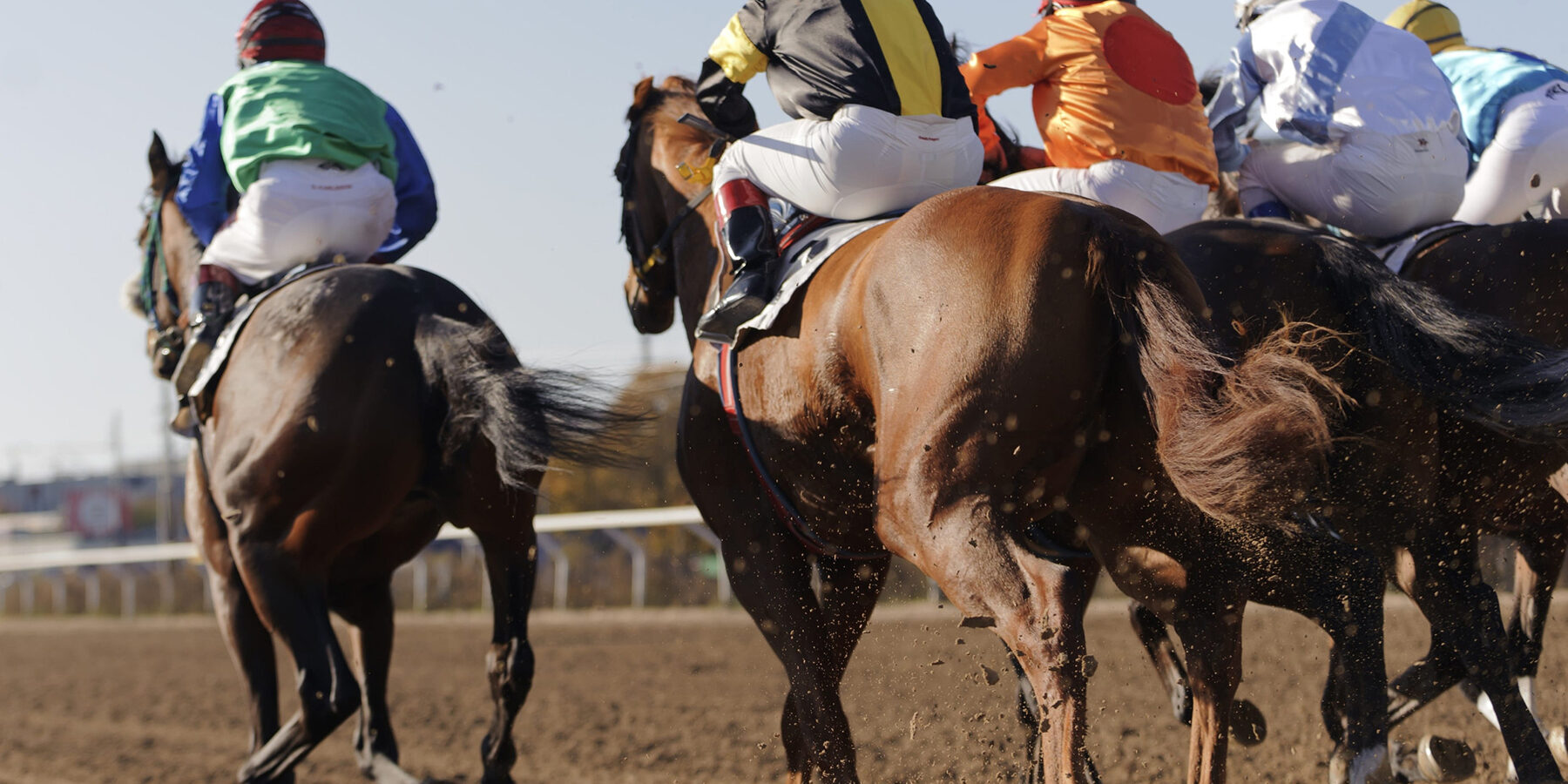
In Kentucky, horses are more than a pastime—they are part of our culture, our economy, our history, and for many people, a way of life. From professional jockeys and trainers to competitive equestrians, farm workers, and recreational riders, countless hours are spent riding, training, grooming, lifting, walking, and working around horses.
At Landmark Chiropractic in Georgetown, Kentucky, we understand that caring for horses can be physically demanding. Whether you’re riding professionally or simply spending your weekends in the saddle, taking care of your spine, neck, back, joints, muscles, ligaments, and tendons is an important part of staying active and doing what you love.
We are proud to serve the equestrian community in Central Kentucky and the region known around the world as the Horse Capital of the World.
Horseback Riding Is a Full-Body Activity
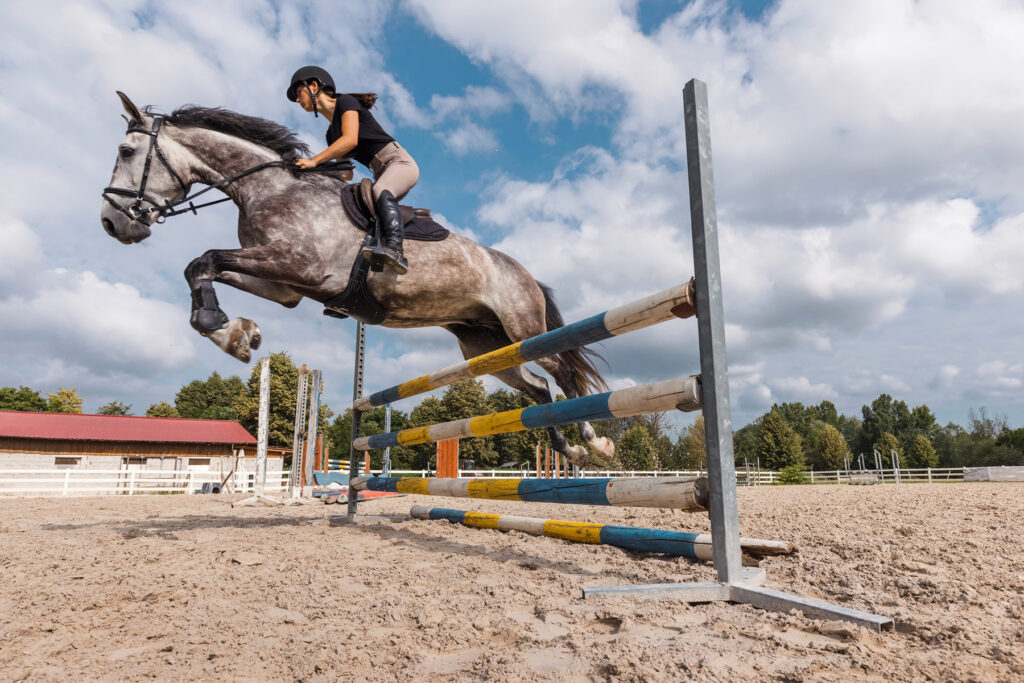
A skilled rider can make riding look effortless, but anyone who has spent significant time in the saddle knows otherwise.
Riding requires continuous coordination between your core, back, hips, pelvis, legs, shoulders, and arms. Your body constantly adjusts to the horse’s movements while maintaining balance and control.
Depending on your discipline and riding position, the body may also absorb repeated forces through the hips, pelvis, and spine. Over time, repetitive riding can contribute to:
- Lower back discomfort
- Neck and shoulder tension
- Hip tightness or restricted mobility
- Muscle imbalances
- Knee and ankle discomfort
- Sacroiliac (SI) joint irritation
- Muscle strains and overuse injuries
- Reduced flexibility
- Joint stiffness
- Poor posture or asymmetrical movement
These issues aren’t limited to competitive riders. Trainers, grooms, barn workers, exercise riders, and others who work with horses may experience similar problems from the physical demands of their jobs.
What Happens When You Ride in the Wrong Position?
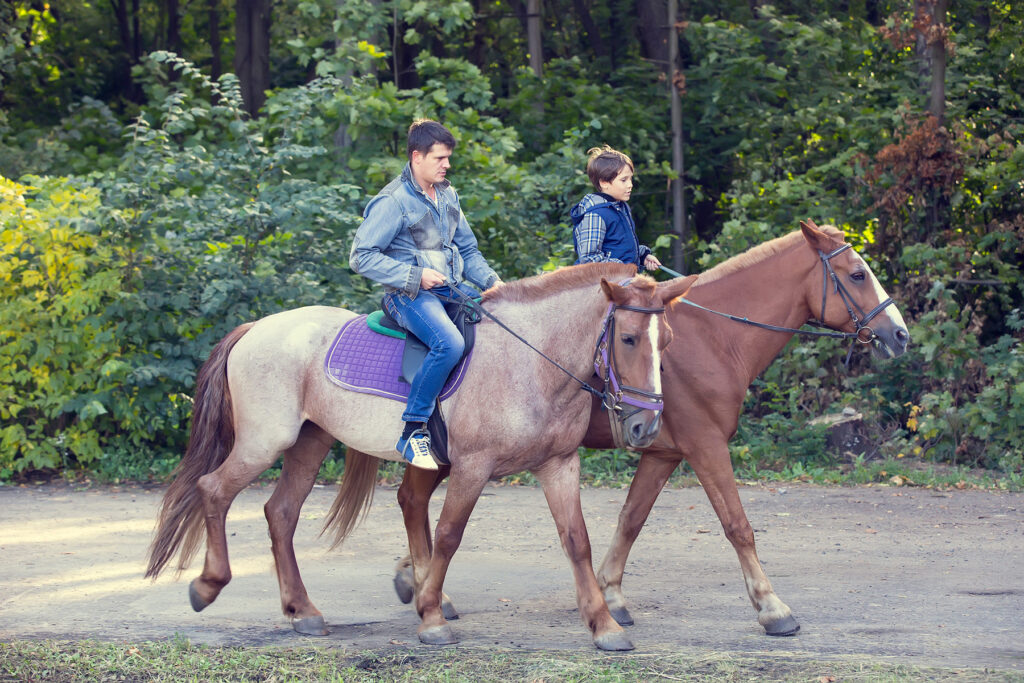
Good riding posture isn’t only important for communicating effectively with your horse—it also matters for your own body.
Leaning too far forward or backward, rounding the shoulders, twisting the pelvis, unevenly weighting the stirrups, or consistently favoring one side can place unnecessary stress on muscles and joints. Small imbalances may become more significant when repeated hundreds or thousands of times.
If a rider’s pelvis isn’t moving evenly, for example, the lower back, hips, knees, and surrounding muscles may compensate. Likewise, excessive tension through the shoulders and arms can contribute to discomfort through the upper back and neck. Correct riding technique, appropriate conditioning, and attention to body mechanics can help reduce these stresses.
The Risks of Excessive Riding and Overuse
Just like runners, golfers, tennis players, and other athletes, equestrians can experience overuse injuries. Long hours in the saddle without sufficient recovery may contribute to muscle fatigue, which can increase the risk of injury. As muscles become tired, posture and stability may deteriorate, potentially placing greater stress on joints and connective tissues.
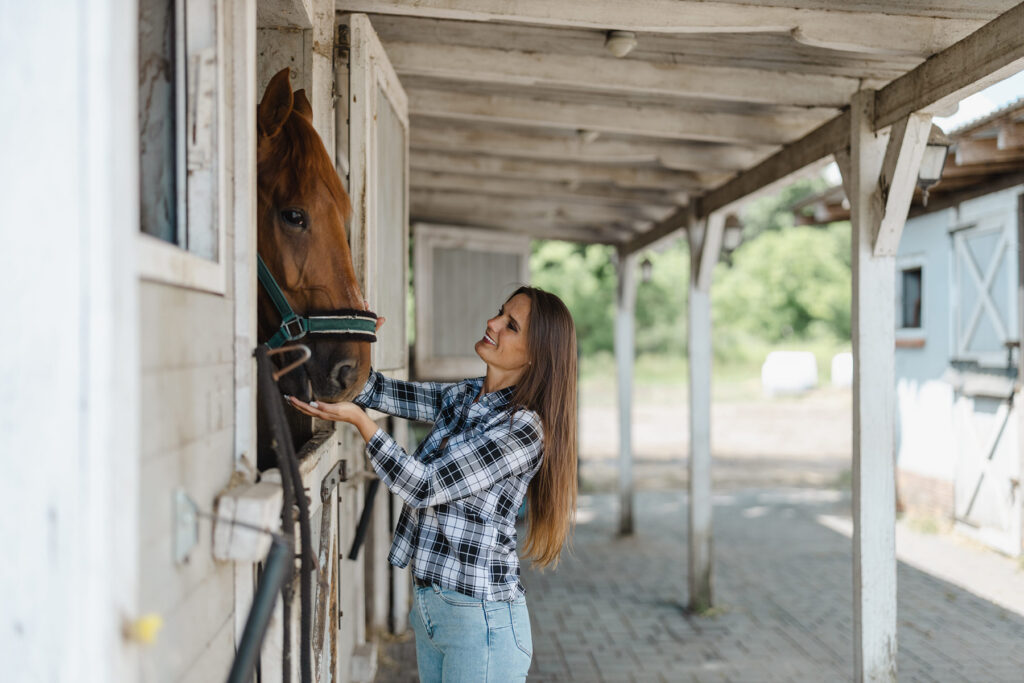
And the physical work often doesn’t end when you dismount. Equestrians and horse professionals may also be:
- Lifting saddles, feed, hay, and equipment
- Carrying buckets
- Mucking stalls
- Grooming horses
- Loading and unloading trailers
- Leading or handling large animals
- Bending and reaching repeatedly
- Walking over uneven ground
- Working in awkward positions
All of this adds to the physical workload placed on the body.
Falls Can Cause Injuries From Head to Toe
Even highly experienced riders can fall. A horse can stumble, spook, refuse a jump, change direction unexpectedly, or simply have an accident. Because riders may fall from several feet above the ground and sometimes at significant speed, equestrian falls can result in substantial injuries. Depending on how a person lands, a fall may affect the:
- Neck and spine: Sudden forces can strain muscles, ligaments, and joints or cause more serious spinal injuries.
- Shoulders and arms: Riders may instinctively extend an arm to break a fall, potentially injuring the wrist, elbow, shoulder, or collarbone.
- Lower back and pelvis: Landing on the back, hip, or buttocks can create significant force through the pelvis and lumbar spine.
- Hips, knees, and ankles: Twisting during a fall or becoming caught in a stirrup can place stress on lower-extremity joints.
- Muscles and soft tissues: Strains, sprains, bruising, and inflammation may occur even when there isn’t a fracture or other major injury.
After a significant fall—especially one involving the head, neck, severe pain, weakness, numbness, loss of consciousness, or difficulty moving—emergency or medical evaluation should come first. Chiropractic care is not a substitute for emergency treatment or evaluation of a suspected fracture, concussion, or other serious injury.
Don’t Ignore the “Little” Aches
Not every equestrian injury comes from a dramatic fall. Sometimes it begins as a little stiffness after riding. Maybe one hip feels tighter than the other. Your lower back starts bothering you after long training days. Your neck feels stiff when you turn your head. Or you notice you’re compensating for discomfort while riding.
These signals shouldn’t automatically be dismissed as simply part of working with horses. When the body begins compensating for pain or restricted movement, other muscles and joints may have to work differently.
Addressing problems earlier may help prevent minor issues from becoming more disruptive.
How Chiropractic Care Can Help Equestrians

Chiropractic care focuses on the musculoskeletal system, including the spine, joints, muscles, and surrounding soft tissues.
For equestrians, chiropractic care may be incorporated into an overall wellness and injury-management plan to help address joint mobility, muscle tension, stiffness, and certain types of musculoskeletal pain.
Depending on the individual, care may include chiropractic adjustments along with complementary therapies, stretching, rehabilitation exercises, or recommendations for improving mobility and body mechanics.
The goal isn’t simply to help you feel better after a difficult day at the barn. It’s to help your body move and function as well as possible so you can continue participating in the activities that matter to you.
Chiropractic Care After an Equestrian Injury
If you’ve experienced a riding or work-related injury, the first step is determining what’s actually causing your symptoms.
Landmark Chiropractic offers on-site X-rays when clinically appropriate, which can help our team evaluate certain injuries and determine whether chiropractic treatment is appropriate.
Once serious injuries have been ruled out and chiropractic care is appropriate, treatment may help address problems such as joint restriction, muscle tightness, reduced range of motion, and musculoskeletal discomfort.
Treatment plans should always be individualized because a jockey, dressage rider, trainer, farm worker, and occasional trail rider can place very different demands on their bodies.
Preventing Injuries Before They Happen
You can’t eliminate every risk associated with horses, but you can take steps to protect yourself.
Maintaining core strength, hip mobility, flexibility, and good overall conditioning can make a difference. Riders should also pay attention to posture and symmetry in the saddle, use properly fitted equipment, warm up before demanding rides, allow adequate recovery time, and avoid repeatedly riding through significant pain.
Regular attention to your own physical condition is especially important for professionals who ride or work with horses day after day.
Your horse receives conditioning, recovery, routine care, and attention when something doesn’t seem right. Your body deserves that same consideration.
It’s Not Just Riders—Horse Trainers and Barn Professionals Take a Beating, Too
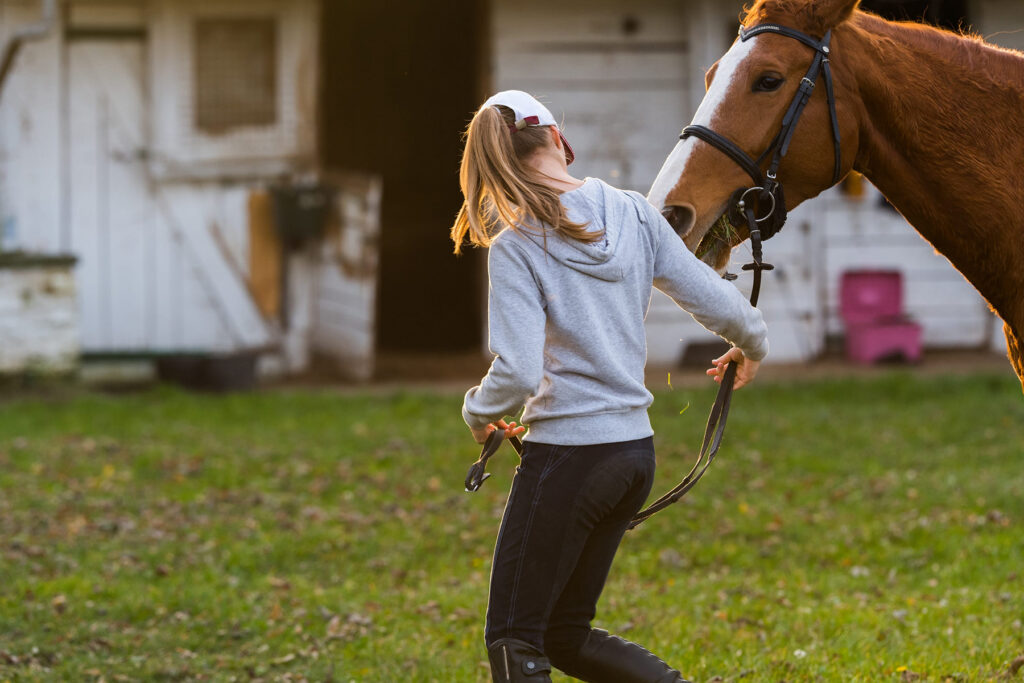
You don’t have to be in the saddle all day to experience horse-related aches and injuries.
Trainers, grooms, farm managers, stable workers, farriers, and other equine professionals routinely perform strenuous physical tasks. Lifting, pulling, pushing, bending, twisting, carrying, and working around animals weighing 1,000 pounds or more can place considerable stress on the body.
Repetitive tasks can be particularly demanding on the lower back, shoulders, elbows, wrists, knees, and hips.
If your livelihood depends on being physically capable of working around horses, taking care of your musculoskeletal health isn’t a luxury—it’s part of taking care of your ability to work.
Jockeys Face Unique Physical Demands
Jockeys and exercise riders place extraordinary demands on their bodies.
Maintaining a forward riding position while controlling a powerful horse traveling at high speed requires exceptional balance, strength, coordination, and endurance. Repeated training and racing can put considerable stress on the neck, back, hips, knees, and surrounding muscles.
And, of course, falls at racing speeds can result in significant injuries.
For jockeys, exercise riders, and other equine athletes, appropriate medical care, rehabilitation, conditioning, and musculoskeletal care can all play important roles in maintaining long-term physical health.
Proud to Serve Kentucky’s Horse Community
There’s nowhere quite like Central Kentucky.
Our rolling pastures, legendary farms, Thoroughbred industry, horse shows, training facilities, racing tradition, and generations of equine professionals have helped make this region internationally known as the Horse Capital of the World.
At Landmark Chiropractic, we’re proud to be part of this community and to care for the people who keep Kentucky’s equine tradition moving.
Whether you’re a jockey, trainer, competitive equestrian, exercise rider, farm employee, recreational rider, or someone who simply loves spending time on horseback, your body works hard every time you step into the barn or saddle.
Take Care of the Rider, Too
You pay close attention to your horse’s gait, movement, stiffness, conditioning, and recovery.
Are you paying the same attention to yourself? If back pain, neck discomfort, joint stiffness, muscle tension, limited mobility, or an old riding injury is interfering with your time in the saddle or around the barn, Landmark Chiropractic is here to help.
Schedule an appointment with Landmark Chiropractic in Georgetown, KY, and keep yourself strong, mobile, and ready for the next ride.
Landmark Chiropractic
Helping Central Kentucky’s riders, trainers, horse professionals, and families move better and feel their best.