
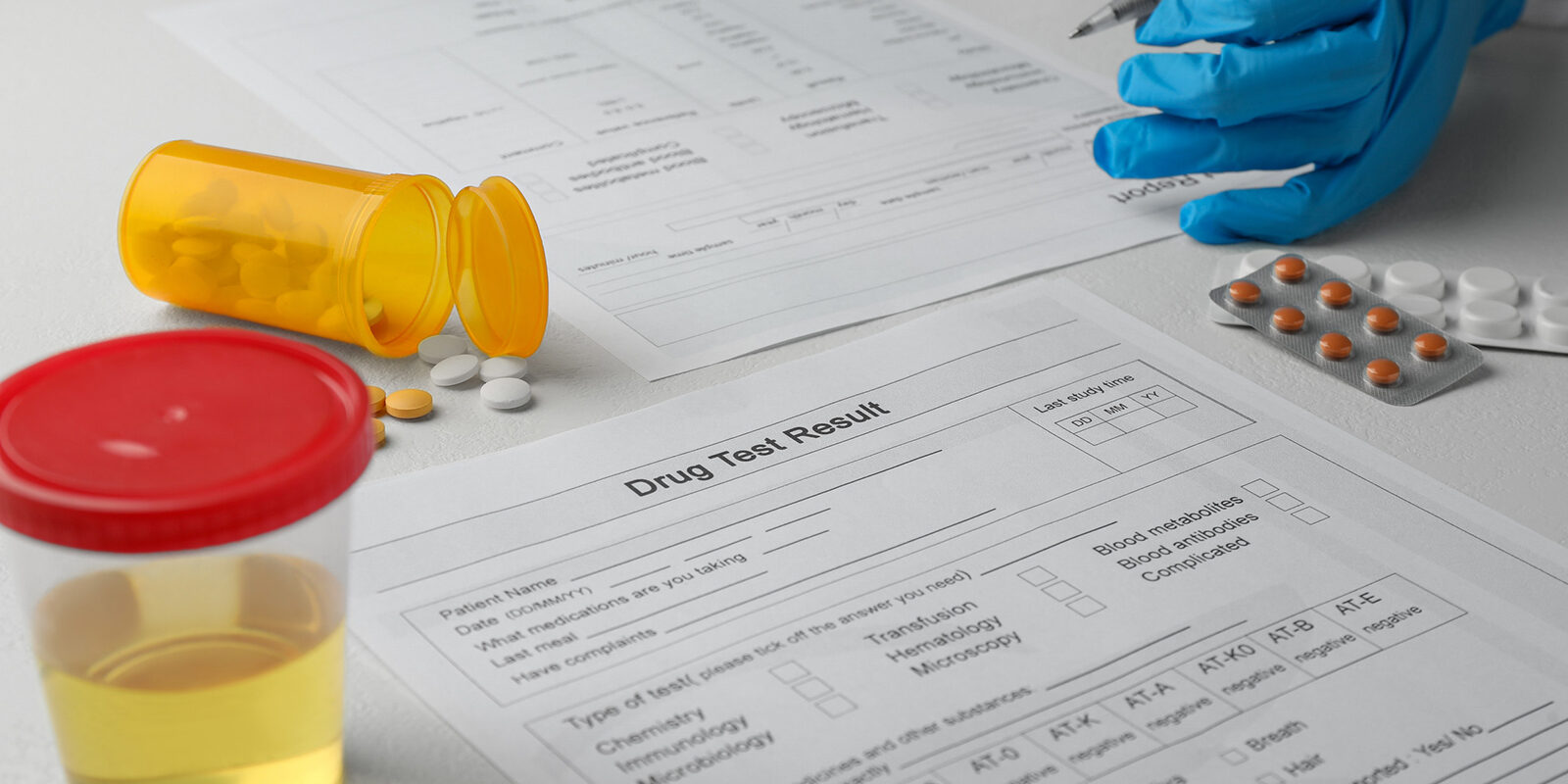
For commercial drivers and employers in the transportation industry, Department of Transportation (DOT) drug testing isn’t optional — it’s a critical safety requirement. These tests help ensure public safety, maintain regulatory compliance, and support a drug-free workplace for safety-sensitive positions. If you’re a driver, fleet manager, or employer in Central Kentucky, understanding DOT drug testing requirements can help you stay compliant while keeping your workforce safe.
Why DOT Drug Tests Are Required
DOT drug testing exists primarily to promote safety. Drivers operating commercial vehicles are responsible for the well-being of Passengers, Other motorists, Pedestrians and Cargo and infrastructure. The U.S. Department of Transportation requires testing to help ensure commercial motor vehicle operators remain drug-free and capable of safely performing their duties.
DOT drug testing provides important safety benefits by helping ensure that employees in safety-sensitive transportation roles are alert, responsible, and free from substance impairment while performing their duties. Federal requirements for DOT drug testing began with the Omnibus Transportation Employee Testing Act of 1991, enacted after several high-profile transportation accidents linked to substance use raised public safety concerns. These regulations were designed to protect drivers, passengers, coworkers, and the public by reducing accidents, improving workplace accountability, and promoting a safer transportation industry. Today, DOT drug testing remains a key part of maintaining safety, compliance, and public trust in commercial transportation.
Who Needs DOT Drug Testing?
DOT drug testing generally applies to individuals in safety-sensitive transportation roles, including:
- Commercial Drivers (CDL Holders): Anyone operating a commercial motor vehicle requiring a CDL must participate in a DOT drug and alcohol testing program.
- Owner-Operators: Independent drivers must also enroll in testing consortiums to meet federal requirements.
- Employers with CDL Drivers: Employers must ensure drivers are tested according to DOT regulations, including: Pre-employment testing, Random testing, Post-accident testing, and Reasonable suspicion testing.
Failing to comply can lead to penalties, license issues, and liability concerns.
Why Employers May Require Drug Testing for their Employees
Drug testing in the workplace plays an important role in protecting employees, the public, and business operations. Many employers require drug testing to promote workplace safety, reduce liability, improve productivity, and maintain professional credibility. Substance impairment can increase the risk of accidents, injuries, equipment damage, and costly legal issues, especially in safety-sensitive industries such as transportation, construction, manufacturing, and healthcare. A drug-free workplace policy can help reduce absenteeism, improve reliability, and foster a safer, more focused work environment. It can also protect a company’s reputation with customers, partners, and the community, while in some cases helping employers qualify for insurance incentives or risk-management benefits.
While many businesses voluntarily implement drug testing policies, certain employers are legally required to conduct drug testing under federal Department of Transportation (DOT) regulations. These requirements apply primarily to safety-sensitive transportation roles where impairment could pose significant risks to public safety. This includes commercial trucking companies and any employers with CDL drivers regulated by the Federal Motor Carrier Safety Administration (FMCSA), aviation professionals regulated by the Federal Aviation Administration (FAA) such as pilots and aircraft maintenance personnel, railroad and public transit workers regulated by the Federal Railroad Administration (FRA) and Federal Transit Administration (FTA), pipeline and hazardous materials workers regulated by the Pipeline and Hazardous Materials Safety Administration (PHMSA), and maritime professionals overseen by the U.S. Coast Guard (USCG).
DOT drug testing programs typically include several types of testing to maintain compliance and safety standards. These may include pre-employment testing before a safety-sensitive employee begins work, random testing conducted throughout employment, post-accident testing following qualifying incidents, reasonable suspicion testing when impairment is suspected, and return-to-duty or follow-up testing after a violation. Employers who fail to comply with these federal requirements may face fines, operational penalties, or licensing consequences.
Drug testing helps:
✔ Protect employees and the public
✔ Reduce accidents and liability
✔ Improve productivity and reliability
✔ Maintain compliance with federal regulations
✔ Strengthen business credibility
✔ For DOT-regulated industries, it’s not optional — it’s essential.
In Kentucky, employers required to follow DOT drug testing regulations must comply with the same federal standards. Businesses not regulated by DOT may still implement workplace drug testing policies as long as they are applied consistently and in accordance with employment laws. Overall, drug testing helps employers maintain safer workplaces, protect their businesses, meet regulatory obligations, and support the well-being of both employees and the public.
DOT Drug Test Procedure — What to Expect
Understanding the process helps reduce anxiety and ensures smoother compliance.
- Sample Collection: Most DOT drug tests use urine samples collected under strict chain-of-custody procedures to prevent tampering.
- Laboratory Testing: Samples are sent to certified labs for analysis following federal protocols.
- Medical Review Officer (MRO) Review: An MRO reviews results and verifies prescriptions if necessary.
- Reporting Results: Results are securely sent to employers or designated contacts. At Landmark Chiropractic, results can often be delivered electronically for faster turnaround.
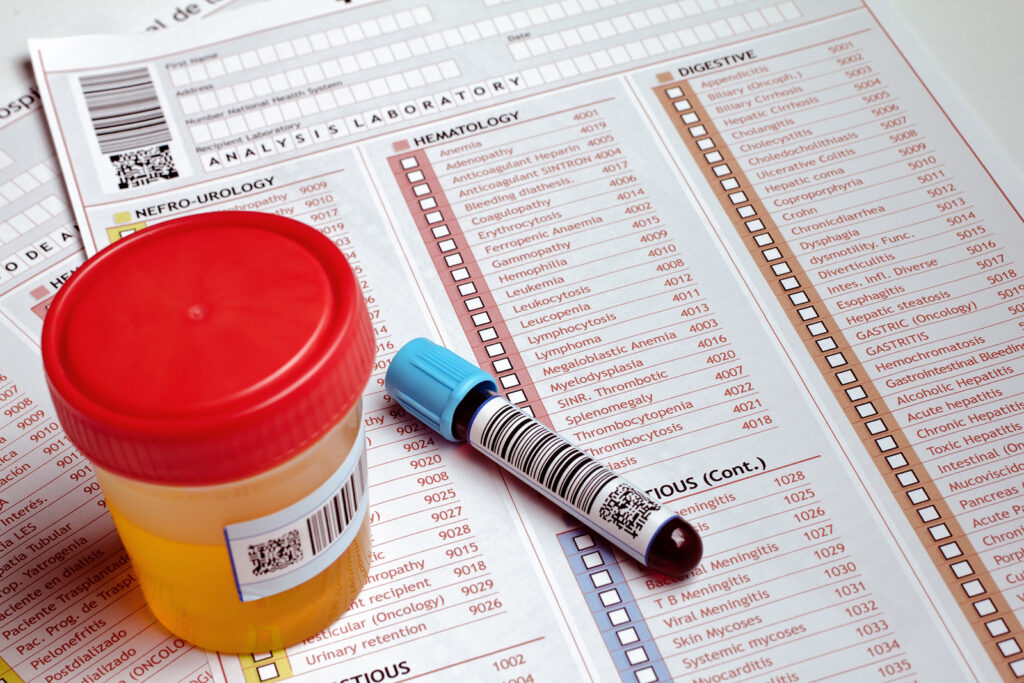
When an employee goes for a DOT drug test, they should expect a structured, standardized process designed to ensure accuracy, privacy, and compliance with federal regulations. Upon arrival at the testing facility, the employee will typically check in with a collector and present a valid government-issued photo ID, such as a driver’s license, passport, or employer-issued identification if accepted. They may also need paperwork from their employer or testing authorization information, depending on how the test was scheduled. The employee will be asked to complete a custody and control form, which documents the testing process and maintains the required chain of custody.
Preparation for a DOT drug test is straightforward. Employees should arrive well hydrated but should avoid excessive fluid intake immediately before testing, as this can delay the process or require additional screening. They should bring identification, follow any employer instructions, and be prepared to disclose legitimate prescription medications if contacted later by a Medical Review Officer (MRO). It’s important not to bring unnecessary personal items into the collection area, as security measures are in place to prevent tampering.
The primary test performed under DOT regulations is a urine drug screen collected under controlled conditions. The collector will explain the process, ask the employee to wash their hands, and provide a sealed collection container. After the sample is provided, the collector checks temperature and volume to ensure validity, then seals and labels the specimen in the employee’s presence. The sample is sent to a certified laboratory where it is tested for federally mandated drug categories, typically including marijuana, cocaine, amphetamines, opiates, and PCP. If results require clarification, a Medical Review Officer may contact the employee to verify legitimate prescriptions before final results are reported to the employer.
DOT drug tests typically screen for five major drug categories:
- Marijuana
- Cocaine
- Opiates
- Amphetamines/methamphetamines
- PCP
Overall, the process is professional, confidential, and designed to protect both the employee and employer while ensuring safety-sensitive standards are met. Employees who arrive prepared with proper identification, follow instructions, and understand the process generally find DOT drug testing to be straightforward and efficient.
Kentucky DOT Drug Testing Laws
Kentucky largely follows federal DOT regulations regarding drug testing. Kentucky DOT drug testing adheres strictly to federal regulations (49 CFR Part 40) for safety-sensitive positions, including pre-employment, random, post-accident, reasonable suspicion, return-to-duty, and follow-up testing. Employers must use SAMHSA-certified laboratories for urine tests, and federal law overrides state laws regarding marijuana, which remains prohibited.
Key points include:
- CDL drivers must comply with federal DOT drug testing rules.
- Employers may implement workplace drug testing policies consistent with state law.
- This means Kentucky transportation professionals must stay compliant with both federal DOT guidelines and employer policies.
Key Kentucky & Federal DOT Drug Testing Requirements:
- Applicable Positions: Drivers with CDLs, pipeline workers, and other safety-sensitive employees.
- Mandatory Testing Circumstances:
- Pre-employment: Negative test required before operating a commercial motor vehicle (CMV).
- Random: Unannounced, statistically valid, and ongoing.
- Post-accident: Required if there is a fatality, citation, or injury requiring medical treatment away from the scene.
- Reasonable Suspicion: Based on specific, contemporaneous, articulable observations of behavior, appearance, or speech.
- Return-to-duty & Follow-up: Required after a positive test and completion of a Substance Abuse Professional (SAP) program.
- Substances Tested: Marijuana, Cocaine, Opiates, Amphetamines, and PCP.
- Marijuana Policy: Despite state-level medical cannabis laws, federal law applies; positive tests for marijuana are violations.
- Clearinghouse: Violations must be reported to the FMCSA Clearinghouse.
- Medical Review Officer (MRO): All results must be reviewed by a qualified MRO.
Employers in Kentucky often utilize the Kentucky Drug-Free Workplace program for additional state-level protection, but must adhere to 49 CFR Part 40 for all DOT-regulated staff.
Why Choose Landmark Chiropractic for DOT Drug Testing?
If you need DOT drug testing in Georgetown or Central Kentucky, Landmark Chiropractic offers convenience, professionalism, and efficiency.
- Experienced, Certified Testing: Dr. Bergeson is nationally certified to perform DOT drug testing services, ensuring proper procedures and regulatory compliance.
- Fast, Convenient Testing: Drivers typically experience minimal wait times — helping reduce downtime and get back on the road quickly.
- Electronic Results Delivery: Results can be electronically verified and sent quickly to employers or designated parties.
- Comprehensive Occupational Services: In addition to DOT drug testing, Landmark Chiropractic offers:
- DOT Physicals
- Occupational health support
- Chiropractic care for drivers and workers

Chiropractic care can be very beneficial for DOT drivers who experience back pain and musculoskeletal strain from long hours behind the wheel. Commercial driving often involves prolonged sitting, repetitive movements, vibration from the road, and limited opportunities for stretching or movement, all of which can contribute to spinal misalignment, muscle tension, and joint stiffness. Chiropractic adjustments focus on improving spinal alignment, reducing nerve irritation, and restoring mobility, which can help drivers manage discomfort while supporting overall function and safety on the job.
Common pain complaints among truck drivers include
- lower back pain,
- neck stiffness,
- shoulder tension,
- hip discomfort, and
- sometimes headaches related to posture strain.
Sitting for extended periods can compress spinal discs, tighten hip flexors, weaken core muscles, and place continuous stress on the lumbar spine. Drivers may also experience sciatic pain, numbness, or tingling due to nerve compression. Without proper care, these issues can worsen over time and affect both comfort and performance. Chiropractic care helps reduce pain from prolonged sitting by improving spinal alignment, enhancing flexibility, reducing inflammation, and supporting better posture habits. Chiropractors may also recommend stretching routines, ergonomic adjustments, strengthening exercises, and lifestyle strategies tailored specifically for drivers who spend long hours in their trucks. This proactive approach not only helps relieve existing pain but can also prevent future problems, helping DOT drivers stay comfortable, focused, and safer on the road.